
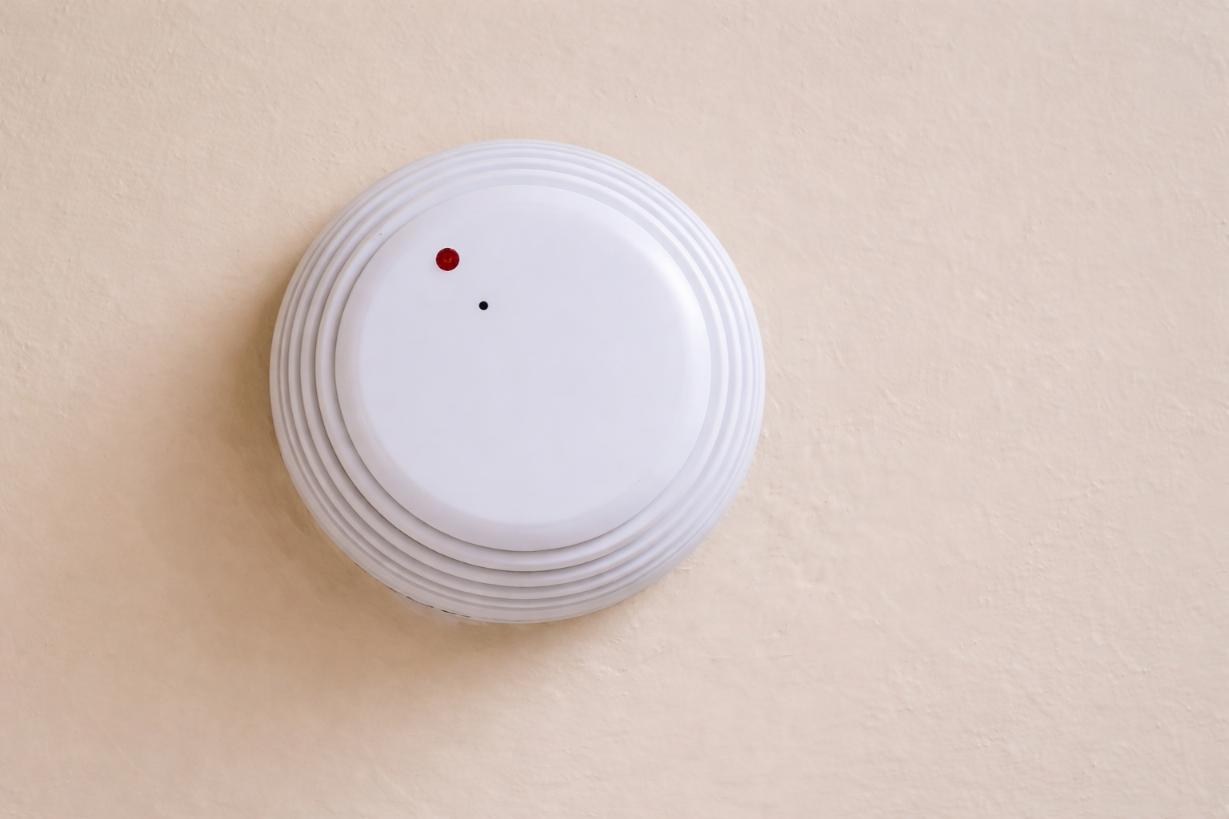
When it comes to home safety, working smoke and carbon monoxide detectors are non-negotiable essentials that can mean the difference between life and death. Where I do inspections, in Maryland, legislation mandates that all homes must be equipped with smoke detectors, while CO detectors are required in homes with fuel-burning appliances or attached garages.
The Maryland State Fire Marshal’s Office specifies that smoke detectors should be installed on every level of the home, inside each bedroom, and outside sleeping areas. Carbon monoxide detectors must also be placed on every level, particularly near sleeping areas.
When it comes to rental homes, ensuring the presence and functionality of smoke and carbon monoxide detectors is not just a matter of safety—it’s a legal requirement. Landlords are typically responsible for providing and maintaining these essential devices to protect their tenants. In Maryland, the law mandates that rental properties must be equipped with working smoke detectors and CO detectors in appropriate locations, similar to owner-occupied homes.
Tenants should feel empowered to request an inspection of these devices and ensure they are functioning correctly upon moving in. Regular checks and maintenance of these alarms should be part of a landlord’s responsibilities, promoting a safe living environment for all tenants. If you’re renting, don’t hesitate to communicate with your landlord about the importance of these life-saving devices and verify that they are installed and in working order.
If you are moving into a new home, checking the status of these detectors should be at the top of your to-do list, especially if you aren’t getting a home inspection. Ensure that smoke alarms are less than 10 years old, have working batteries, and that carbon monoxide detectors meet the latest safety codes.
Statistics underscore the importance of these devices. According to the National Fire Protection Association (NFPA), there were an estimated 353,300 house fires reported in the U.S. in 2021, resulting in over 2,500 deaths and thousands of injuries. Functioning smoke detectors can alert occupants to danger and provide crucial time to escape.
For individuals who are hearing impaired, traditional smoke detectors may not be sufficient to alert them in case of a fire. To ensure safety, specialized smoke detectors equipped with visual alerts and vibration features are available. These devices often use bright strobe lights to signal danger and may include bed shakers that vibrate to wake individuals during a fire alarm. It’s essential for those with hearing impairments to install these specialized detectors in key areas of their home, providing an added layer of protection and peace of mind for their safety.
If you live inside Baltimore City limits, you can call the Fire Marshal at 410-396-5752, to request availability of free alarms for your home.
But it’s not just fires we need to worry about—carbon monoxide (CO), is also a silent killer and poses significant risks. This colorless, odorless gas can seep into homes from malfunctioning gas appliances, blocked chimneys, and idling vehicles in attached garages. The Centers for Disease Control and Prevention (CDC) reports that approximately 50,000 emergency department visits occur annually due to CO poisoning, leading to about 430 deaths each year.
Moving into a new home is an exciting adventure, but it comes with important responsibilities. While having your home inspector check the smoke and carbon monoxide detectors is a great start, it’s just the beginning of ensuring your family’s safety.
Once you’re settled in, prioritize sitting down with your household to discuss fire escape routes. Talk about the best ways to exit the house in an emergency and establish a designated meeting place outside. This conversation is best had early on, before the busyness of day-to-day life distracts you from potential dangers. Taking these proactive steps can create a safer environment for everyone in your home.
Equipping your home with fire extinguishers is also essential. Place them in easily accessible areas, like the kitchen and near sleeping spaces, and ensure everyone knows how to use them. Some companies, such as Prepared Hero, offer mini extinguishers that are easy for the whole family to operate, which may be helpful if you have children that stay at home alone.
Consider creating a fire safety kit that includes a flashlight, a whistle to signal for help, a fire blanket, and even retractable ladders for bedrooms on second stories.
Regular maintenance—such as testing smoke and CO alarms monthly and changing batteries at least twice a year—enhances safety and provides peace of mind.
Whether you are renting or buying, working smoke and carbon monoxide detectors are crucial for home safety, serving as your first line of defense against fire and CO poisoning. Don’t take chances—ensure your home is equipped with reliable detectors and that they are functioning properly.
Your safety and the well-being of your loved ones depend on it.