
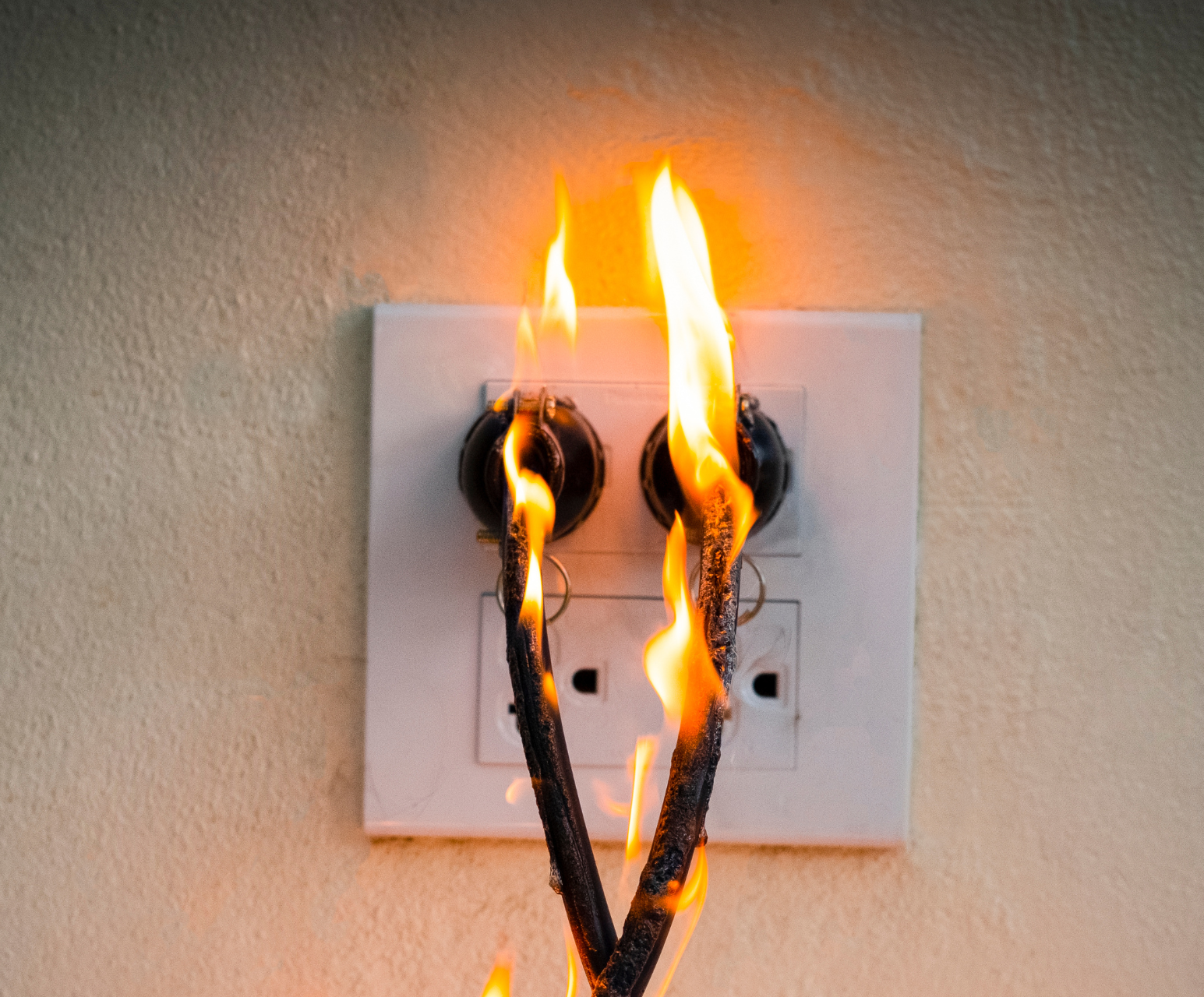
I’ll never forget the story a homeowner shared with me: a fire started quietly in their kitchen, caused by failing aluminum wiring. Luckily, they caught it in time and their home was saved, but it could have been much worse. Stories like this show that aluminum wiring doesn’t always give obvious warning signs, which is why it deserves careful attention.
Aluminum wiring was commonly used in homes built between the mid-1960s and late 1970s, mostly because copper had become expensive. You’ll still see it in older Maryland homes, especially townhomes, subdivisions, and houses that had partial electrical updates. An estimated 1.5–2 million U.S. homes from that era were constructed with aluminum wiring, and many remain in use today. While exact fire statistics by state are limited, electrical failures, including wiring issues, are a leading cause of home fires nationwide. Research shows that older aluminum wiring is more prone to developing hazardous overheating conditions at connection points, which is why proper inspection and treatment matter.
A careful inspection doesn’t just stop at identifying aluminum wiring. A knowledgeable inspector will evaluate how it has been handled over time.
Key indicators of safety:
- Connection points are critical: Most problems occur where the aluminum wiring connects to outlets, switches, and splices. Loose or improper connections can overheat over time.
- Oxidation can cause resistance: Aluminum naturally forms an oxide layer that reduces conductivity, which increases heat at connections if not properly treated.
- Proper treatment matters: Safe, approved connectors and anti-oxidant compounds can significantly reduce risk, even in older homes.
- Documentation is important: Many insurance companies want proof that aluminum wiring has been inspected or properly remediated, making a clear note in the inspection report essential.
Aluminum wiring doesn’t have to be a deal breaker. Many homes with aluminum wiring are still safe and livable. The key is knowing its condition and understanding any potential costs for future repairs or upgrades. Homeowners trying to sell a home with aluminum wiring can help themselves by having it pre-inspected; this provides documentation of its condition and can ease any concerns a buyer may have. This information is valuable for both buyers and homeowners planning long-term maintenance.
Final Thoughts
With a professional inspection, buyers can make informed decisions, homeowners can have peace of mind, and realtors can help guide their clients through the process. Aluminum wiring is just one piece of the puzzle, it doesn’t have to stand in the way of owning your dream home, as long as it’s properly assessed, documented, and, if necessary, updated or repaired. Safety, transparency, and clear communication are the priorities, and a well-informed approach ensures that older wiring isn’t a hidden risk for anyone involved in the transaction